
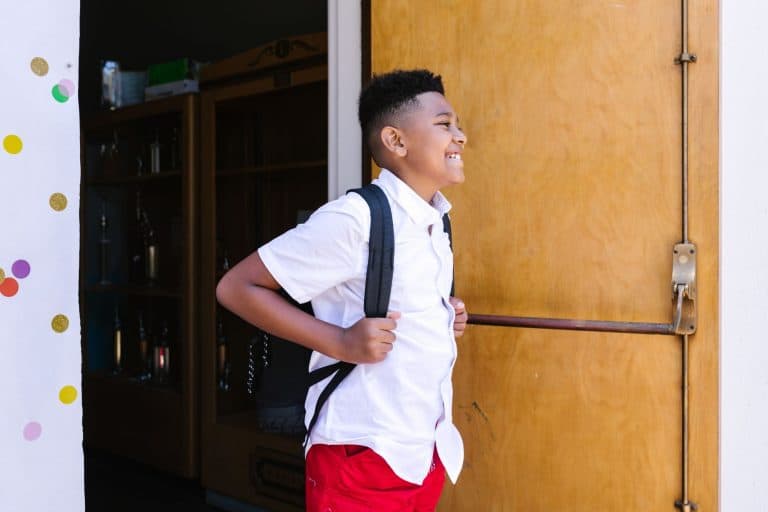
Backpacks are packed, school supplies are ready—and then, just a few days into the new school year, someone comes home with a runny nose.
Welcome back to school!
The return to classrooms, daycare, and activities also means the return of shared germs. For many families, the first few months of school can feel like one illness after another. Fortunately, this is usually a normal part of childhood.
Why do kids get sick so often?
Children spend hours together in relatively close spaces, sharing toys, supplies, desks, and occasionally germs. They are also encountering viruses their immune systems haven’t seen before.
It’s not unusual for young children to have 6–10 respiratory infections each year, and children in daycare or school may have even more.
One illness may also seem to blend into another. Your child gets a cold, starts feeling better, and then develops a new runny nose a few days later. Often, this isn’t one unusually long infection—it’s two different viruses back-to-back.
What illnesses should you expect?
During the school year, common illnesses include:
- Colds and other respiratory viruses
- Stomach bugs causing vomiting or diarrhea
- Influenza
- COVID-19
- Strep throat
- Pink eye
- Ear infections, often following a viral cold
Most of these illnesses are self-limited and improve with rest, fluids, and time.
When should my child stay home?
A child generally should stay home when they are too sick to comfortably participate in normal activities or when they may be contagious enough to spread illness to others.
In particular, keep your child home if they have a significant fever, repeated vomiting or diarrhea, difficulty breathing, or are simply too uncomfortable or fatigued to participate in school.
School policies vary, so it’s also important to follow your child’s specific school’s guidelines.
When should I call the pediatrician?
Most back-to-school illnesses don’t require a doctor’s visit. But call if your child has:
- Difficulty breathing
- Signs of dehydration
- A fever that persists or returns
- Significant or worsening pain
- Symptoms that are getting worse instead of better
- An illness that seems unusually severe
- A child who simply doesn’t seem like themselves
The good news
The first year or two of school can be a crash course in germs. It can be frustrating for parents, but frequent minor illnesses don’t necessarily mean your child’s immune system is weak.
As children grow and their immune systems become familiar with more of these viruses, the frequency of illnesses generally decreases.
So when the next runny nose arrives, take a deep breath. Wash those hands, keep the tissues handy, and remember: getting sick is often part of growing up.