
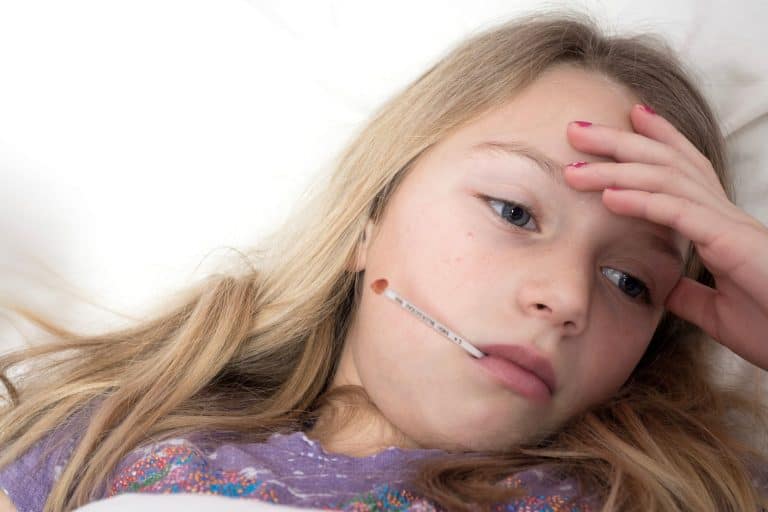
It’s one of the most common questions parents face during the school year: “Is my child too sick to go to school?”
The answer isn’t always as simple as looking at the thermometer. The goal is to balance your child’s need to recover with the risk of spreading illness to classmates and teachers.
A good rule of thumb
If your child feels well enough to participate in a normal school day, is drinking fluids, and doesn’t have symptoms that make them highly contagious, they may be okay to attend school.
On the other hand, if your child needs to stay in bed, can’t comfortably participate, or would require significant one-on-one care throughout the day, they probably belong at home.
Keep your child home when they have:
Fever: A temperature of 100.4°F (38°C) or higher is a good reason to stay home. Your child should be fever-free without fever-reducing medication before returning, while also following your school’s specific policy.
Vomiting or diarrhea: Keep your child home if they are actively vomiting or having frequent diarrhea. They should be able to keep fluids down and be feeling better before returning.
Significant respiratory symptoms: A child with mild congestion or an occasional cough who otherwise feels well may be able to attend. But significant coughing, difficulty breathing, or symptoms that prevent normal participation are reasons to stay home.
Too tired or uncomfortable: Sometimes the most important clue is simply how your child looks and acts. If they are unusually tired, miserable, or unable to participate in normal activities, give them a day to recover.
What about a runny nose?
This is where things get tricky!
Children can have lingering congestion and cough for days or even weeks after a viral infection. If your child is otherwise feeling well, has no fever, and can participate normally, a runny nose alone usually isn’t a reason to miss school.
What about strep throat, flu, or pink eye?
Certain infections may require your child to stay home for a specific period of time, particularly after starting treatment. Always follow your school’s illness policy and your pediatrician’s recommendations for these situations. Usually, 24 hours on antibiotics or eye drops is the minimum time needed before return to school.
Remember: every child is different
There is no perfect checklist for every illness. A child’s age, medical history, symptoms, and overall appearance all matter.
When in doubt, ask yourself three questions:
Does my child feel well enough to participate?
Could my child reasonably spread an illness to others?
Would I want my child sitting next to them in class today?
If the answer to the first question is no, it’s probably a good day to stay home.
And remember—one extra day of rest is often better than sending a sick child to school, only to have them feel worse by lunchtime.